


POTS and Dysautonomia Evaluation in Tennessee
You'll be taken to our secure HIPAA-compliant booking portal
Telehealth evaluation and bridge management for patients with suspected or confirmed POTS or autonomic dysfunction -- including labs, cardiac monitoring (if needed), and a real treatment plan.
If you have been told it is anxiety, deconditioning, or all in your head, and you know it is not - you are in the right place.
POTS is one of the most underdiagnosed conditions in medicine. Most patients see four or more providers before anyone figures out what is actually going on. Some wait years. Others get a partial diagnosis with no follow-through. The specialist waitlist alone can run six to twelve months.
Not every patient has the same type of POTS. Some have neuropathic POTS, some hypovolemic POTS, and others have hyperadrenergic POTS. Identifying the pattern matters because treatment isn't one-size-fits-all.
I built this service because that gap is real, and because I live it myself. I am a board-certified acute care nurse practitioner with a background in cardiology and critical care, and I have hyperadrenergic POTS. I know exactly what it feels like to fight for a diagnosis while keeping your life running.
Based out of Cookeville, TN, I provide telehealth POTS evaluation and management for patients located anywhere in the upper cumberland area and across Tennessee. Ages 16 and up.
For a full overview of POTS and dysautonomia, read my complete guide here.
What This Service Covers
I offer two types of visits depending on where you are in your journey:
POTS Evaluation: Your First Visit
For patients who need answers.
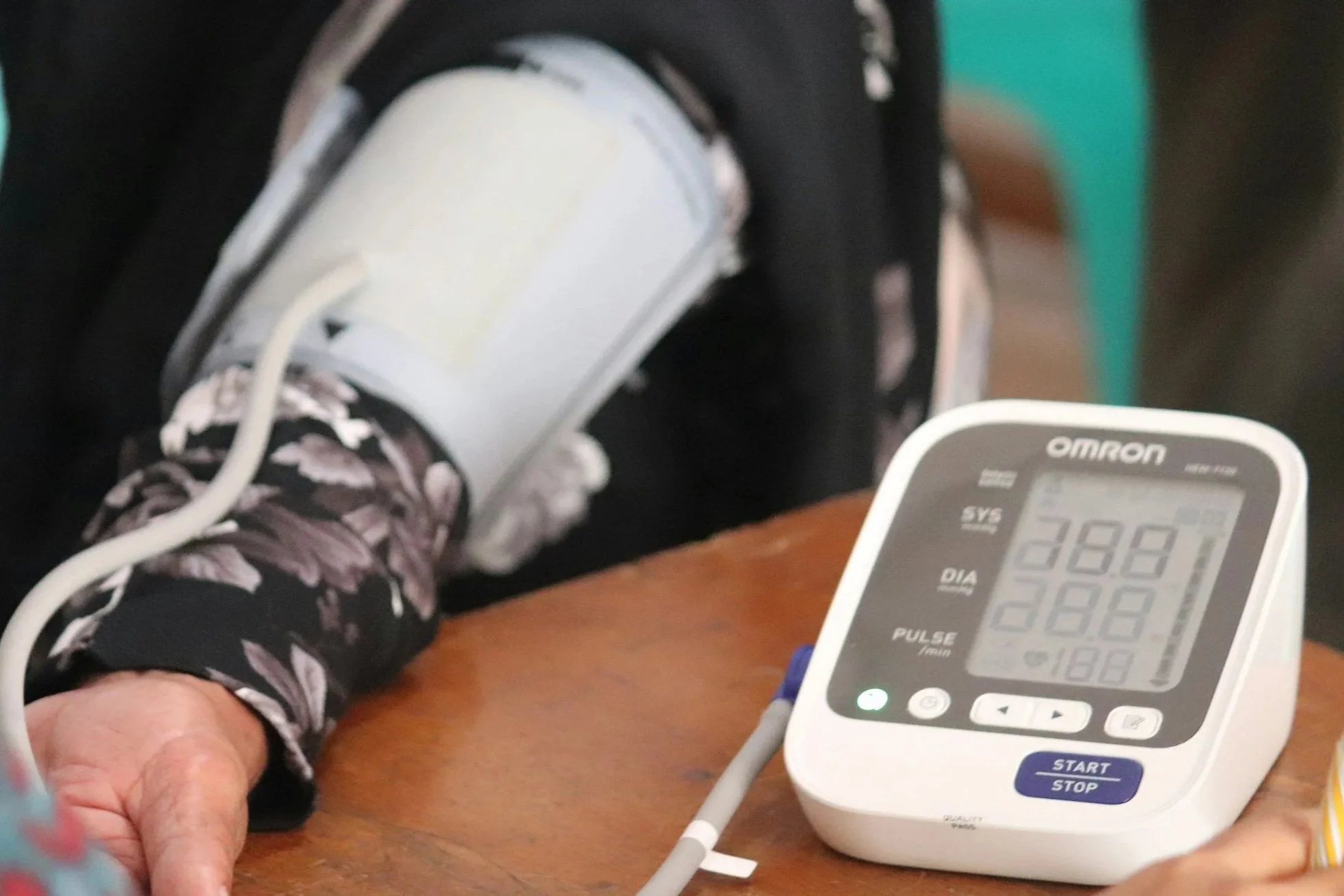
Supervised active stand test done live on camera
Comprehensive lab workup including ferritin, thyroid, autoimmune markers
Cardiac monitoring coordination when needed - 7 to 14-day heart monitor mailed to your home
Full diagnostic history and autonomic symptom review
EDS and MCAS screening built into every evaluation
Clear diagnosis or differential with next steps documented
This is ideal if you have been bouncing between providers without a confirmed diagnosis.
POTS Follow-Up and Management
For patients who need ongoing support.
Results review and diagnosis confirmation
Medication management -- for the more moderate to severe symptoms
Exercise prescription based on the evidence-based Levine protocol
Monitoring visits monthly with direct messaging between visits
Referral coordination and transition summary for receiving provider if needed
Re-entry available after specialist visits or insurance changes
This is ideal if you have a diagnosis but no one actively managing your care.
A Complete Workup, Not Just a Heart Rate Check

POTS rarely shows up in isolation, and a proper evaluation looks well beyond the stand test itself. Depending on your presentation, I screen for autoimmune conditions (POTS patients have higher rates of thyroid autoimmunity, Sjögren syndrome, and other autoimmune disorders than the general population), iron deficiency, and cardiac rhythm issues that can mimic or worsen symptoms. Joint hypermobility, including hypermobile Ehlers-Danlos Syndrome (hEDS) and Hypermobility Spectrum Disorder (HSD), is also common enough alongside POTS that I assess for it at every evaluation. Mast Cell Activation Syndrome (MCAS) is discussed and screened for when your symptom pattern points toward it such as flushing and unexplained allergic-type reactions, but it's addressed as a targeted consideration based on your presentation, not a default screen for every patient.
Hypermobility screening starts with a video-guided joint assessment. If it's positive, I can diagnose Hypermobility Spectrum Disorder (HSD) directly and start treatment the same day. A definitive hEDS diagnosis requires an in-person skin and joint exam I can't do by video, so if your presentation looks more specifically like hEDS, I'll refer you to rheumatology or genetics for that piece while your treatment continues in the meantime.
If your symptoms suggest MCAS may be part of the picture, screening starts with a structured symptom history and, if warranted, lab testing like tryptase. I can order the same labs a specialist would and build evidence toward a diagnosis, managing you based on that evidence throughout. What I can't do is complete the full workup a definitive diagnosis usually requires. So I treat based on what the evidence shows and refer to allergy/immunology once that evidence points clearly toward MCAS.
Either way, if something screens positive, you're not just handed a name and sent off to wait months. I start appropriate first-line treatment the same day, give you tools to track your symptoms, and coordinate the right referral when it's actually needed.

Care Designed Around the Gap in Your Care
Telehealth POTS management in Tennessee designed for patients who have struggled to find answers…
Morning appointments recommended -- symptoms are most pronounced early
No waiting rooms, no referral required to book
No insurance required -- cash pay with transparent pricing
Superbills provided for out-of-network reimbursement attempts. Please note: due to enrollment restrictions, I'm currently unable to see patients with Original/Traditional Medicare.
Labs can be drawn at any LabCorp or Quest location statewide
Cardiac monitoring (if indicated)-- covered by most commercial insurance
Ages 16 and up -- parent or guardian present required for patients under 18
You deserve a provider who understands dysautonomia and gives you a comprehensive treatment plan-not just general advice.
-
You experience dizziness, heart racing, or near-fainting when you stand up
You have been told everything looks normal but you know something is wrong
You have a suspected POTS or dysautonomia diagnosis but no one managing it
Your symptoms started after COVID, a viral illness, surgery, or prolonged bedrest
You are on a long specialist waitlist and need support in the meantime
You have symptoms of POTS alongside joint hypermobility, flushing, or GI issues
You are in your teens (16 and up) with orthostatic symptoms affecting school and daily life
-
Book a POTS Evaluation online -- select a morning appointment when possible
Complete your intake questionnaire before your visit -- includes orthostatic symptom history, prior workup, and autonomic review of systems
Gather an upper-arm blood pressure cuff with heart rate display before your visit -- I will walk you through everything
Meet with me via telehealth for your full evaluation including a supervised standing test done live on camera
Labs are ordered and, if needed, cardiac monitoring is coordinated -- the heart monitor ships directly to your home
Return for your results visit to review findings, confirm your diagnosis, and start treatment
Continue in the pathway as long as you need support, or transition to your specialist or PCP with a full written summary
-
Full orthostatic and autonomic symptom history
Supervised active stand test - heart rate and blood pressure measured at 1, 3, 5, and 10 minutes of standing
Baseline labs to rule out other causes: electrolytes, CBC, thyroid function, and ECG
Autoimmune screening when indicated (ANA, Sjögren antibodies) - POTS patients have elevated rates of autoimmune conditions
Iron studies - low ferritin is common and treatable
Ambulatory cardiac monitoring coordination when indicated, to rule out arrhythmia
Joint hypermobility assessment - hEDS/HSD screening
Additional targeted labs based on your presentation (adrenal, catecholamines, gastric motility, and others as indicated)
Medication review - identification of medications that worsen POTS symptoms
Initial nonpharmacologic counseling - hydration, salt, compression, positioning
-
This service is designed for episodic bridge care -- but I am happy to be your ongoing provider for as long as you need. I can refer directly to cardiology, neurology, or the Vanderbilt Autonomic Dysfunction Center for:
Known structural heart disease or uncontrolled arrhythmia
Syncope with injury or prolonged loss of consciousness
Severe or rapidly progressive autonomic failure with multiple system involvement
Refractory symptoms that do not respond to first-line management
If you are not sure whether you qualify, send me a message before booking and I will help you figure out the right next step.
-
I'm not a cardiologist or a neurologist, and I won't pretend to be one. What I am is a provider who takes POTS seriously, gets you real answers fast, and stays with you for as long as you need support — not just for one visit. Most patients who see me leave with a confirmed diagnosis, a medication plan, and ongoing monthly care while we work through symptoms together.
If and when you need a specialist for something outside my scope, I'll get you there with a complete record of your evaluation, so you're not starting from scratch. But for many patients, that day is a long way off — and until then, you're not waiting alone.

Skyelar Garrett, APRN
Tennessee-Licensed Nurse Practitioner
Multiple clinical backgrounds including acute care, critical care, and cardiology. I also have POTS -- personally diagnosed, personally managed, and personally familiar with what it feels like to be dismissed, overtested, and underlisted.
I built this service because I wanted to offer what I could not find: a provider who actually understands POTS, uses evidence-based diagnostic tools, and treats patients like they are telling the truth about their own bodies.
About Your Provider
Transparent Pricing
Pay for the visits you actually need. No hidden fees, no bundles required.
POTS Evaluation | New patients
Visit 1
$150 one-time
60-minute telehealth visit
Full orthostatic and autonomic history
Supervised active stand test on camera
Lab orders and cardiac monitoring coordination
Initial nonpharmacologic counseling
Morning appointment strongly recommended
+$50 same-day if more complex workup is indicated based on evaluation.
POTS Follow-Up | Existing patients
Visit 2 and beyond
$99 per visit
Results review and diagnosis confirmation
Medication initiation and management
Exercise plan and guidance
Referrals if indicated
Monitoring and adjustment visits
Transition summary when ready
Ongoing Care Plans | For continued support
Month-to-Month, 3-Month, or 6-Month
$135/mo | $365 | $630
All follow-up visits included
Messaging between visits
Priority scheduling
Continued management while awaiting specialist
Cash pay only. A $50 deposit is required at booking and applied toward your visit cost; remaining balance due at time of appointment. HSA/FSA accepted. We do not bill insurance. Labs are billed separately.
Lab Fees
Lab pricing depends on your individual clinical picture. Your provider will determine which labs are needed based on your visit and give you the exact cost before anything is ordered — no fixed packages, no surprises.
Labs can be drawn at any LabCorp or Quest location statewide -- you may use your own insurance directly at no additional charge from GHS.
Cardiac Monitoring
The Zio patch monitor (7 to 14-day heart monitor) is ordered when clinically indicated and billed directly by iRhythm -- not by GHS. Most commercial insurance plans cover it. Self-pay rates and payment plans available.
FAQ
-
In most cases, no. The Active Stand Test, done with a blood pressure cuff, is well-supported in the literature as more specific than tilt table testing for this purpose and is reasonable for most patients. A tilt table test may come into play if your stand test is negative but your symptoms still strongly suggest POTS, or if we need more information
-
That's a meaningful outcome too. My evaluation is built to figure out what's actually going on, whether that's POTS, another form of dysautonomia, a thyroid issue, anemia, or something else. If I find something outside my scope, I'll refer you to the right specialist.
-
You must be physically located in Tennessee at the time of your visit. All visits are virtual, from the comfort of your home, so you don't have to drive anywhere for the appointment itself.
If labs or imaging are needed, you will need to go to a lab or imaging facility to complete those, but I work with a nationwide network of lab locations, so there's almost always one close to you.
Cardiac monitoring, if ordered, works differently — a wearable monitor is typically mailed directly to your home. You wear it for the prescribed period and mail it back, with no appointment or facility visit required.
If a referral to cardiology is indicated, they will manage the monitor and any imaging studies, and you can bring those results back to your follow-up visit with me.
-
I welcome patients with an existing diagnosis who need help with treatment optimization, medication management, or coordination with other providers. Bring your prior records and test results to your first visit.
-
Yes. Diagnosis is based on your symptoms, how your heart rate and blood pressure respond to standing, and ruling out other causes through labs and cardiac testing. The active stand test relies primarily on vital sign monitoring rather than a hands-on physical exam, which is part of why it translates well to a video-supervised format. I supervise your Active Stand Test live over video and order the same diagnostic workup you'd get in a clinic.
-
This is a cash-pay practice. I accept HSA and FSA payments, and I provide a superbill upon request that you can submit to your insurance company for possible reimbursement. Reimbursement isn't guaranteed and depends on your plan.
-
If medication is appropriate for your treatment plan, I send prescriptions electronically to the pharmacy of your choice. There's no designated pharmacy you're required to use. Common POTS medications may include beta-blockers, ivabradine, fludrocortisone, midodrine, or others, depending on what your evaluation shows. All prescribing decisions are based on a thorough evaluation, not patient request alone. I do not prescribe controlled substances.
-
I see patients 16 and up for POTS evaluation. For patients under 18, a parent or guardian needs to be present for every visit and provide consent. For ages 16-19, diagnosis requires a heart rate increase of 40 bpm or more on standing, compared to 30 bpm for adults 20 and older.
Still have questions after reading through the FAQ? Send me a message below or book a free, no obligation phone call, and I'll get back to you personally.
Ready to Finally Get Answers?
POTS is a real, physiologic condition -- not anxiety, not deconditioning, not something you are making up. It is diagnosable, treatable, and manageable. The right workup makes all the difference.
This service is designed for patients who want a thorough evaluation and a real plan -- not a referral to drink more water. Every visit delivers standalone clinical value. Even if you transition to a specialist after two visits, you will leave with a confirmed diagnosis, a treatment plan, and a written summary that gets you further faster.
If you are experiencing severe chest pain, syncope with injury, difficulty breathing, or any life-threatening symptom -- call 911 or go to your nearest emergency room immediately.
Book your POTS evaluation today.
Continuity of Care
I know POTS care rarely happens with just one provider. My role is to help you get evaluated, started on treatment, and moving in the right direction, not to replace your primary care provider or specialists. I coordinate closely with your existing care team and send detailed visit summaries after every appointment.
If you're a referring provider with a patient who could benefit from this evaluation, I welcome the referral; email info@garretthealthservices.com to reach me directly, or you can fax referrals to 615-777-2151.
Available by phone and message:
Saturday and Sunday 9am-5pm
Monday - Friday 9am-7pm
Telehealth appointments available throughout the week, including evenings and weekends - a schedule built around when patients actually need care, not standard office hours.