

If you have POTS, you have probably heard “drink more water and eat more salt” more times than you can count, usually with no explanation of how much, for how long, or why it works. I want to give you the fuller picture.
Why salt and fluids help
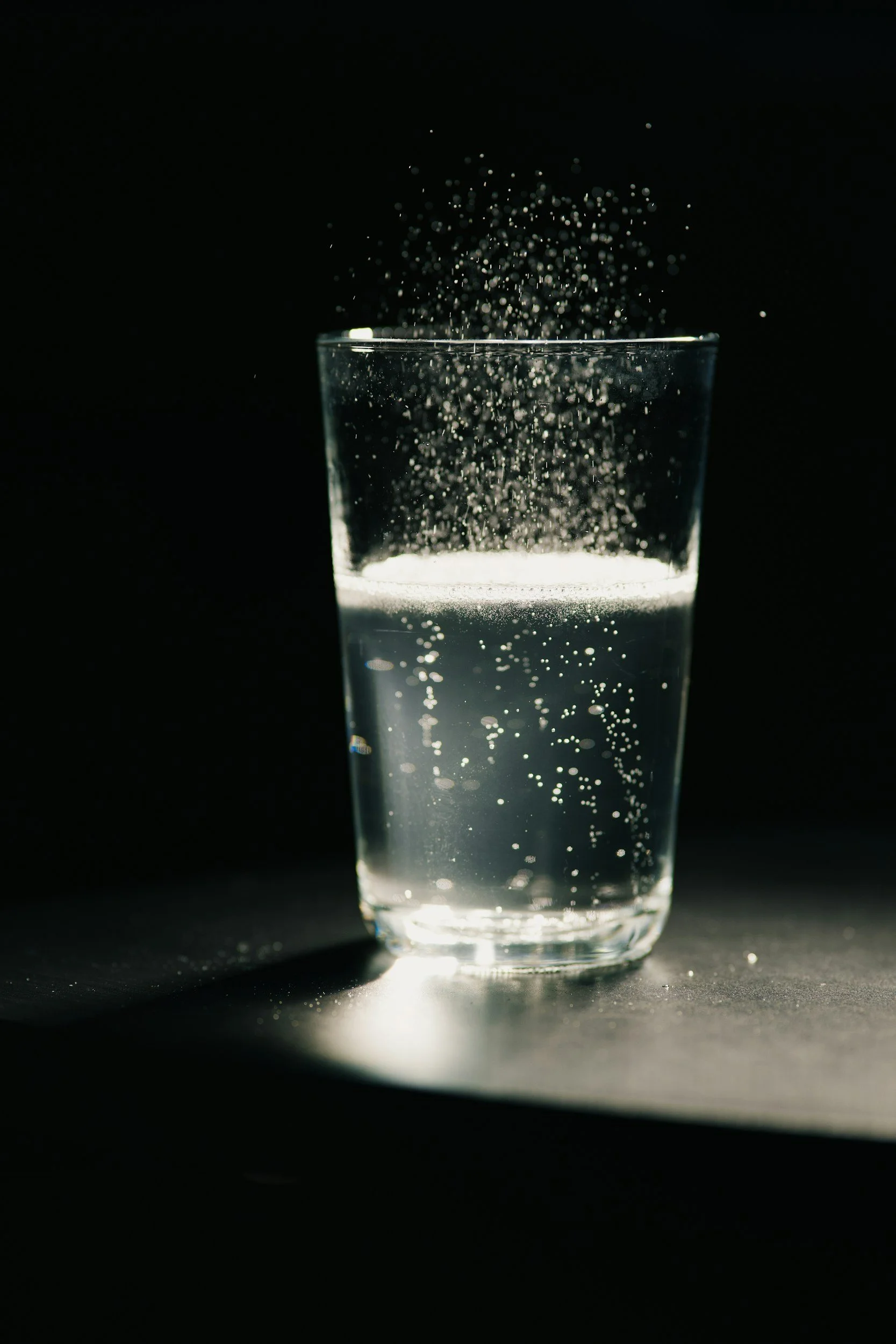
Many people with POTS have a blood volume that runs low, or a circulatory system that pools blood when upright. Extra sodium and fluid help the body hold onto volume, which gives your heart and blood vessels more to work with when you stand. Fluids alone do not do this well, because water without sodium tends to pass through. The two work together.
How much
Consensus documents commonly cite about 2 to 3 liters of fluid per day and a salt intake well above standard dietary guidance, often in the range of 10 to 12 grams of salt per day (roughly 4 to 5 grams of sodium). The research behind these targets is smaller and less robust than the research behind exercise, so I treat them as a starting range rather than a prescription. Your number depends on your blood pressure, your kidneys, your heart, and how you respond.
A few practical points that help many patients:
Front-load your fluids in the morning, when symptoms tend to be worst.
A rapid 16 ounce drink of water can raise blood pressure for a short window in some patients, which can help before standing for a long period.
Pale yellow urine is a simple, free way to check that you are keeping up.
Spread salt through the day rather than taking it all at once.
Who needs a different plan
Higher salt intake is not right for everyone. If you have high blood pressure, kidney disease, heart failure, or you are pregnant, the plan needs to be individualized, and I would want to review it with you before you increase anything.
How long
This is the question I hear most, and the honest answer is that it depends on you. Most patients keep this up as long as symptoms are active, and many continue it as part of their baseline even after improving. Stopping early is one of the most common reasons progress slips. If you want to scale back, do it gradually and tell me, so we can watch how you respond.
If you are histamine-sensitive
Some patients find that certain electrolyte products trigger reactions. Common culprits reported are artificial flavors and dyes, citrus and other added acids, fermented ingredients, and some sports drinks. The evidence on specific low-histamine products is limited, so I approach this by trial rather than by rule. Options many patients tolerate include:
Plain salt added to food, which has the shortest ingredient list possible.
Unflavored electrolyte powders with few ingredients.
Salty foods you already tolerate, such as pickled items if you do well with them, or lightly salted nuts and crackers.
Long-simmered broths are often recommended for salt, but they can be higher in histamine, so they are not a good fit for everyone. If a product seems to cause flushing, hives, stomach upset, or a racing heart, note what you had and bring it to your visit. That pattern is useful information.
Why consistency matters more than perfection
You do not have to hit an exact number every day. A steady habit, week after week, does more than a perfect day followed by three missed ones. Tracking your fluids, salt, and symptoms for a couple of weeks usually shows a pattern that is easy to act on.
What this means for you
If you are not sure where to start, or you have tried this before and it did not seem to help, a good evaluation looks at the rest of the picture too, such as iron, medications, and conditioning. You can learn more about a POTS evaluation here, or book a visit to get started.