

Understanding POTS: Why Your Story Matters as Much as Your Numbers
I started noticing something was off around age 16. I played softball in high school, and I remember struggling to keep up with the other girls during running drills and sprints, chest pain with exertion, exhaustion that felt disproportionate to what we were actually doing. I chalked it up to being a tired teenager staying up too late.
In my twenties, new symptoms started showing up, seemingly out of nowhere and just as unpredictably disappearing. Almost passing out getting out of the shower. My heart racing just walking to the kitchen. Mornings that felt like I was running a race before I'd even gotten out of bed. Brain fog that made studying in college feel impossible. I saw doctor after doctor. I was told it was stress. I was told it was anxiety. One provider told me I had bipolar disorder. For years, I believed them. I lost count of how many medications I was on.
I became an ICU nurse, and the job made everything worse in ways I didn't fully connect at the time. Long shifts on my feet, worsening fatigue after only an hour, strange reactions to medications and foods that would come and go for no clear reason. I'd barely make it to the couch after standing too long. I had two full cardiac workups, a neurology workup, physical therapy, endoscopies, colonoscopies, and more psychiatric appointments than I can count. Nearly everything came back normal. And when everything keeps coming back normal, you start to believe the story everyone's telling you, that it really is all in your head.
A few years ago, after I'd already become a provider myself, I made the decision to come off every medication and start from a real baseline. (This was a decision between me and my providers, and is not recommended to do on your own.) Within a few months, I felt better than I had in years. I could walk without losing my breath after a short distance. My focus improved. I wasn't depressed. But I learned something important in that process: stress was a trigger that could take me down for months at a time, and it happened three separate times over the next three years.
It took more labs, more specialists, and more persistence than I ever expected before I finally had real answers. I have POTS, a mix of hypovolemic and hyperadrenergic patterns. Suddenly the anxiety and panic attacks made complete sense. They weren't the problem. They were a symptom of a physiological process no one had actually looked for.
What changed everything wasn't a new medication. It was going back to fundamentals: recumbent exercise to rebuild vascular tone, since this is a physiological condition that responds to physiological treatment. Tripling my fluid intake and adding sodium daily, yes, including the constant bathroom trips that come with it. Replacing iron since my ferritin was severely low. Wearing compression. Once I started those basics consistently, my recovery time from a flare dropped from months to weeks. No medication. Just the right supplements, and someone who understood what was happening and could tell me it was normal.
I share this not to replace specialists, testing, or a real workup, all of that mattered and still matters. I share it because I know firsthand how long this road can be, how dismissive it can feel when every test comes back normal, and how much it means to have someone who actually recognizes the pattern. I had to push harder than I should have needed to before I got real answers. That's exactly why I built this practice the way I did. I don't want anyone else to have to fight that hard alone.
I share pieces of my own experience because I think it matters that the person sitting across from you in a POTS evaluation has actually lived some version of what you're describing. But this post isn't really about me. It's about how I approach diagnosis, and why I think the way most people are taught to think about POTS criteria is incomplete.
The diagnostic criteria, and what it actually means
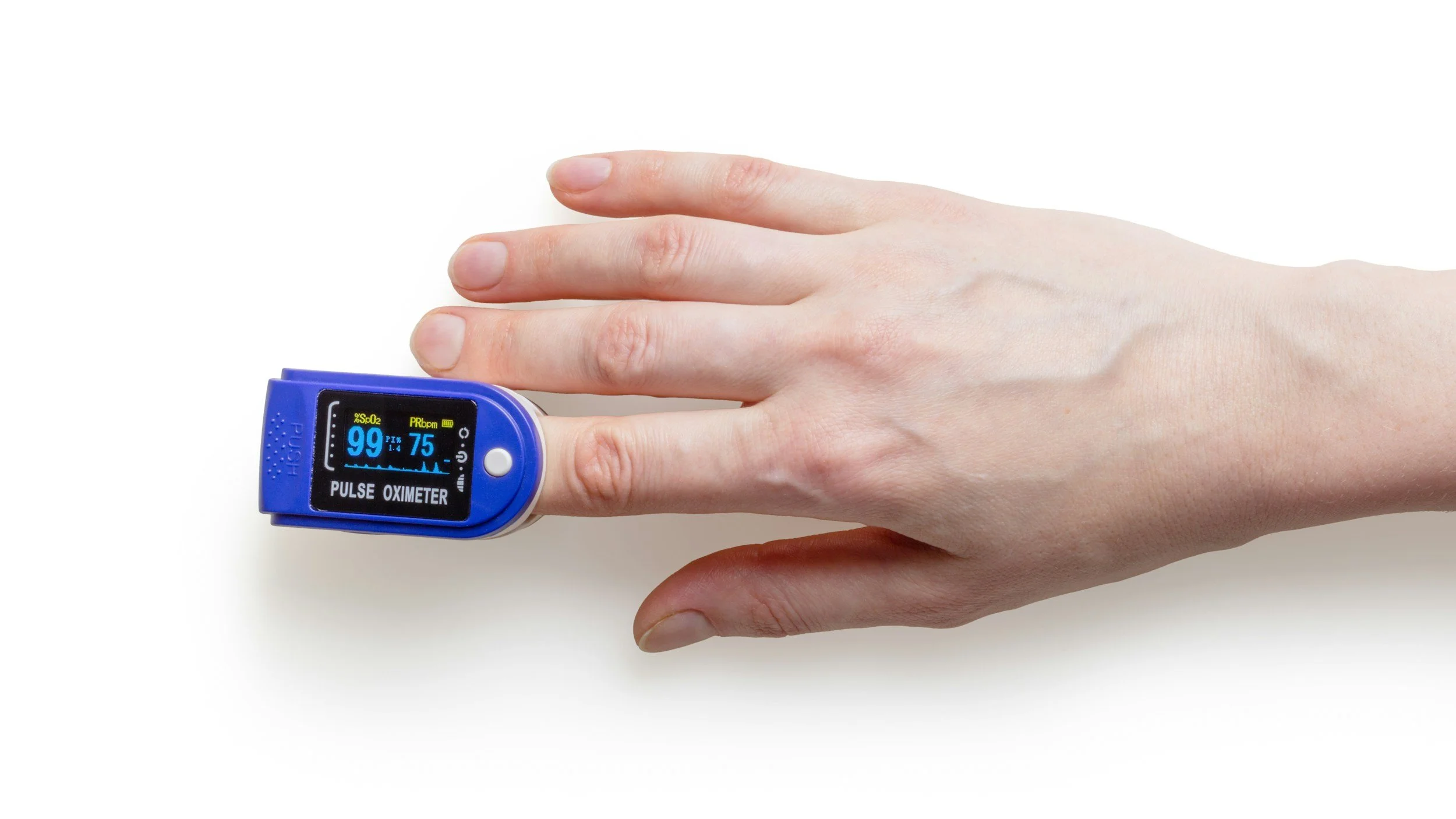
POTS is defined by a sustained heart rate increase of at least 30 beats per minute (40 bpm if you're under 20) within 10 minutes of standing or head-up tilt, without significant orthostatic hypotension, alongside chronic orthostatic intolerance symptoms present for more than 3 months. The active stand test, checking heart rate and blood pressure at intervals while standing, is currently recognized by the Heart Rhythm Society as sufficient for diagnosis in most cases, without requiring formal tilt table testing.
But here's what I want to be direct about: “That number is a diagnostic anchor, not a gatekeeper.”
Autonomic testing results can shift based on hydration status, medications, time of day, menstrual cycle, and even how someone slept the night before. A patient can have real, disabling orthostatic intolerance and not hit the full 30 bpm threshold on a single stand test. That doesn't mean nothing is wrong. It means the picture is bigger than one test on one day.
Why I look at the whole story, not just the visit in front of me
When I evaluate a patient for POTS, I'm not just looking at what happens during a ten-minute stand test. I'm looking at months, sometimes years, of symptom history. I take what a patient tells me about their own body as clinical information, not something to be filtered through skepticism.
That matters because POTS patients are disproportionately likely to have been dismissed before they ever get to an accurate diagnosis. Research consistently shows patients seeing multiple providers, often being told their symptoms are anxiety or stress, before someone connects the dots. If I only trusted a single stand test result and ignored everything a patient had already learned about their own body, I'd be repeating the same pattern that left so many people undiagnosed for years.
The active stand test, labs, and cardiac monitoring are tools that sharpen the picture. They don't replace the story. They confirm it, refine it, or occasionally point toward something else entirely, which is also valuable information.
What this means for you
If you've had a stand test that didn't fully meet criteria, or you're worried that not "checking every box" means you'll be sent away without answers, that's not how I practice. Your symptoms, your history, and your own read on your body are the starting point. The testing supports that picture. It doesn't override it.
If this resonates with what you've been experiencing, I'd be glad to talk it through with you.
You can learn more about a POTS evaluation here, or book a visit to get started.
For a full overview, see this guide: POTS and Dysautonomia: A Complete Guide to Diagnosis and Treatment