

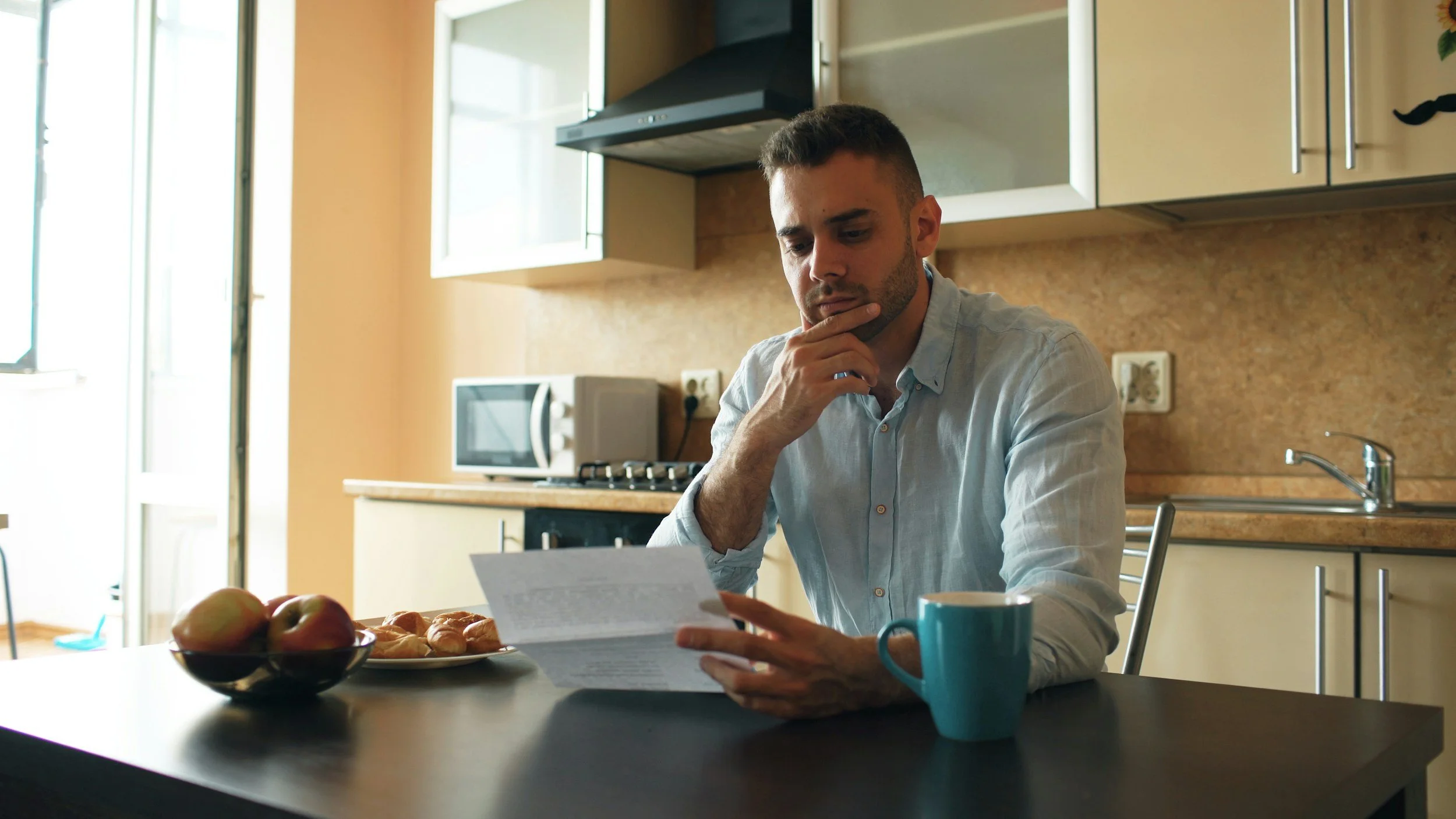
One of the scariest moments in healthcare isn't always the hospital stay itself. It's going home afterward with a stack of discharge papers, a new medication list, and no one to call if something feels off.
Why this gap matters so much
The period right after discharge is one of the highest-risk windows in a patient's care. Medications change. Symptoms can evolve. Instructions that made sense in the hospital, said quickly, absorbed while exhausted, can be hard to remember once you're home. And for a lot of patients, the follow-up appointment with their regular provider isn't for another one to two weeks, sometimes longer.
What can go wrong in that gap
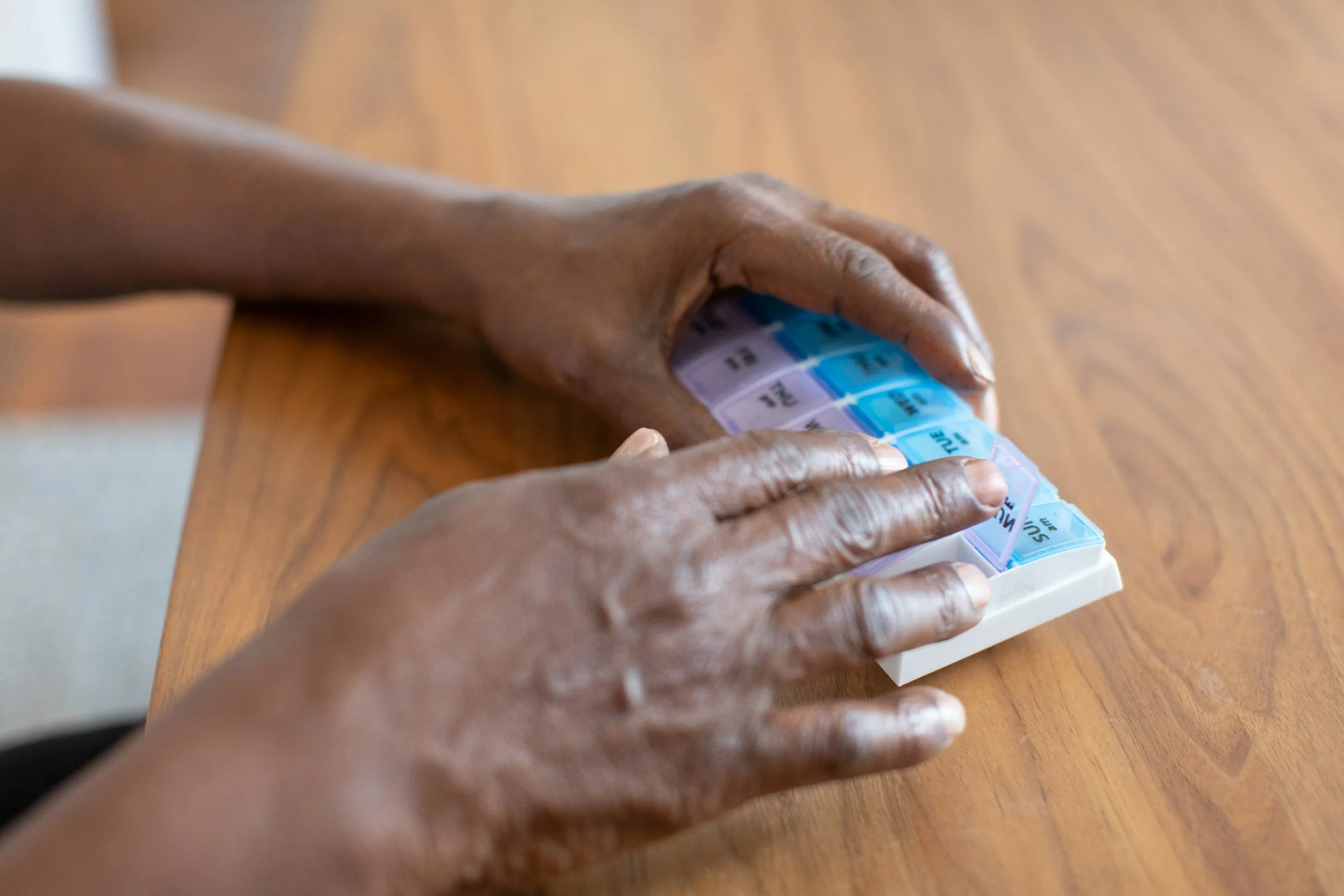
Medication errors are common in this window, such as taking a discontinued medication alongside a new one, misunderstanding a dosing change, missing a drug interaction between hospital and home prescriptions. Warning signs that would prompt a return to the hospital can go unrecognized if no one has clearly explained what to watch for. And patients who feel uncertain often either push through symptoms that need attention, or end up back in the ER for something that could have been addressed with a simple follow-up visit.
What a hospital discharge follow-up visit actually covers
I review your full discharge summary and medication list with you, reconcile it against what you were taking before, and flag anything that looks off. We go through your actual symptoms, how you're feeling since leaving, what's improved, what hasn't. We will discuss any prcedures, labs, or testing that was conducted and ensure there is nothing pending. Sometimes I may need to request records to clarify, but this also ensures we make an accurate treatment plan going forward. I make sure you understand your follow-up plan and know exactly what would warrant urgent attention versus what's a normal part of recovery. If there are any gaps in care, referrals needing to be made, follow up labs needing to be ordered, or medicaitons to be refilled, thats all included in the visit.
Why this fits telehealth well
You've just been discharged. The last thing you need is another trip somewhere, a waiting room, a new provider learning your case from scratch. This visit happens from home, quickly, with someone specifically looking at the gap between hospital and your next appointment.
What this means for you
Recovery doesn't stop at the hospital doors. If you've recently been discharged and aren't sure whether something is normal or something to worry about, that uncertainty is exactly what this visit is built to resolve.
You can learn more about hospital discharge follow-up here, or book a visit to get started.